
Digital Portfolio
Included here will be some of my work from recent classes during my Master's degree program in Entertainment Business through Full Sail University. Check back later for more recent projects!


Kyywayy's Music Hotspot Mood Board
Digital Portfolio - Month 2 Update
Below are some more projects I have completed in my Artist & Product Management course.
Major Players: Live Nation Entertainment Infographic

Portfolio Additions & Rationale
This month, I focused on enhancing my Digital Leadership Portfolio to highlight my skills, talents, and leadership abilities in the entertainment industry. Key additions include:
-
Professional Bio & Personal Brand Statement
I updated my bio to reflect my focus on artist management, event production, and digital content creation. This ensures potential collaborators or industry professionals immediately understand my career goals and personal brand. -
Portfolio Projects & Samples
I have uploaded my Live Nation vs. WME assignment, infographics, and other class projects, which demonstrate my research, creativity, and understanding of industry operations. This establishes credibility and shows tangible skills relevant to the entertainment business.
These updates align with my career goals in music and artist management, as they emphasize leadership, strategic thinking, and digital branding—skills essential for navigating today’s entertainment industry.


Digital Leadership Portfolio for Entertainment Business Finance
Entertainment Business Finance has strengthened my ability to analyze revenue models, evaluate risk, and make data-driven financial decisions within the entertainment industry. This course shifted my Digital Leadership Portfolio from being creatively focused to being financially strategic.
In industries such as live events, artist management, touring, and festival production, financial literacy is essential for leadership. Understanding break-even analysis, investment evaluation, time value of money, and capital budgeting allows me to position myself not only as a creative thinker but as a financially responsible decision-maker.
This class directly supports my long-term career goals in live event and festival management by reinforcing that strong leadership in entertainment requires both vision and financial discipline.

Week 1:
Financial Positioning & Portfolio Audit
-
Reviewed existing Digital Leadership Portfolio for financial skill representation.
-
Identified gaps in demonstrating quantitative analysis and financial strategy.
-
Added a section titled “Financial Strategy & Analysis” to highlight coursework applications.
-
Updated professional summary to reflect financial competency in entertainment operations.
Outcome: Portfolio now clearly communicates financial literacy as part of my leadership identity.
Week 2:
Break-Even & Revenue Modeling Showcase
-
Added a detailed break-even analysis example from the heavy rock band tour scenario.
-
Included calculations demonstrating contribution margin and profitability thresholds.
-
Explained how these calculations influence touring decisions and cost control strategies.
-
Connected analysis to real-world live event risk management.
Outcome: Demonstrated ability to apply financial tools to real entertainment scenarios.
Week 3:
Time Value of Money & Investment Analysis
-
Added a project example showing Time Value of Money (TVM) calculations.
-
Demonstrated understanding of present value, future value, and investment comparisons.
-
Highlighted decision-making implications for artist investments or event expansions.
-
Included reflection on how financial forecasting impacts strategic planning.
Outcome: Portfolio reflects advanced understanding of capital allocation and investment evaluation.
Week 4:
Financial Leadership Reflection & Industry Application
-
Published a short industry-focused reflection on the importance of financial literacy in entertainment leadership.
-
Connected financial analysis skills to festival planning and artist development.
-
Outlined how budgeting discipline strengthens credibility with investors and stakeholders.
-
Updated portfolio timeline to include continued financial skill development.
-
Outcome: Portfolio positions me as a financially aware future leader in entertainment business operations.
60–90 Day Financial Growth Plan
Next 60 Days
-
Develop a detailed mock budget for Breakdown Fest including projected revenues and expense categories.
-
Create a financial dashboard concept showing ticket sales targets and break-even points.
-
Continue refining investment evaluation skills using real entertainment industry examples. Next 90 Days
-
Add measurable financial metrics to portfolio projects (ROI projections, cost structure analysis).
-
Research current entertainment industry financial trends (touring costs, streaming revenue splits).
-
Seek internship or experiential opportunities that involve budgeting or financial planning.
Why This Timeline Is Appropriate for My Industry and Career Goals
-
The entertainment industry operates on tight margins and high-risk investments. Leaders in live events and artist management must understand:
-
Revenue forecasting
-
Cost control
-
Risk assessment
-
Investment evaluation
-
Profitability analysis
-
By integrating Entertainment Business Finance concepts into my Digital Leadership Portfolio, I demonstrate readiness to manage not only creative projects but also their financial sustainability. This strengthens my personal brand as analytical, strategic, and business-focused — qualities essential for leadership roles in live event production and entertainment business management.
-
This course has elevated my portfolio from creative planning to financially strategic execution, aligning directly with my career aspirations in the entertainment industry.

Digital Marketing Timeline for Kyywayy's Music Hotspot
Month 1: Foundation & Brand Identity
-
Developed initial concept for Kyywayy’s Music Hotspot
-
Defined target audience (alternative & metalcore artists and fans)
-
Created initial brand positioning statement
-
Established social media accounts and digital presence
Establishing a clear brand identity is essential for differentiation in competitive creative industries, as it shapes audience perception and long-term engagement (Kotler et al., 2021).
Month 2: Portfolio Framework & Platform Setup
-
Selected portfolio platform (Wix, Squarespace, or WordPress)
-
Built initial website structure (Home, About, Services, Contact)
-
Designed basic layout and branding elements (colors, fonts, logo)
-
Began Digital Leadership Portfolio planning
A well-structured website improves usability and user experience, which directly impacts engagement and retention (Krug, 2014).
Month 3: Content Development (Branding Development Course)
-
Created and refined portfolio timeline (original version)
-
Added initial written content:
-
About Me / Brand Story
-
Services offered (artist promotion, showcases, marketing support)
-
-
Began uploading early coursework and concept projects
Content development is a key driver of digital presence, as valuable and relevant content builds credibility and audience trust (Pulizzi, 2014).
Month 4: Portfolio Expansion & Strategy Integration
-
Added Digital Marketing Strategy components:
-
Campaign ideas
-
Target audience analysis
-
SEO strategy integration
-
-
Included examples of:
-
Event concepts (live showcases)
-
Artist-focused promotional strategies
-
-
Improved website navigation and user experience
Strategic marketing integration ensures consistency across channels and strengthens brand messaging (Chaffey & Ellis-Chadwick, 2019).
Month 5: Portfolio Enhancement & Professional Refinement (Current Month)
-
Refined brand positioning to emphasize niche in alternative/metalcore scene
-
Added updated academic and portfolio projects:
-
Digital Marketing Strategy assignment
-
Entertainment Business Finance materials
-
-
Improved SEO descriptions and keyword usage
-
Enhanced visual design and layout consistency
-
Optimized site for professional presentation and clarity
Search engine optimization (SEO) enhances visibility and discoverability, which is critical for digital portfolios and personal branding (Fishkin & Høgenhaven, 2013).
Month 6: Industry Alignment & Networking (Future Goal)
-
Add real-world projects (artist collaborations, event promotions)
-
Integrate analytics tools (Google Analytics or similar)
-
Include testimonials or peer/professor feedback
-
Expand portfolio with multimedia (videos, flyers, campaign mockups)
Month 7: Portfolio Launch & Personal Brand Growth (Future Goal)
-
Fully launch and promote portfolio across platforms
-
Connect portfolio to LinkedIn and professional networks
-
Begin using portfolio for internships, job opportunities, and client outreach
-
Continuously update with new projects and measurable results
Analytics tools provide measurable insights into user behavior, allowing for data-driven improvements and performance tracking (Kaushik, 2010).
Consistent personal branding across digital platforms strengthens professional identity and career opportunities (Arruda, 2016).
This timeline reflects the strategic growth of Kyywayy’s Music Hotspot from concept to a fully developed digital portfolio, with a strong emphasis on niche branding, marketing strategy, and industry readiness. All of the images here are examples of my plans.
References
Arruda, W. (2016). Digital you: Real personal branding in the virtual age. Ankerwycke.
Chaffey, D., & Ellis-Chadwick, F. (2019). Digital marketing: Strategy, implementation and practice (7th ed.). Pearson.
Fishkin, R., & Høgenhaven, T. (2013). Inbound marketing and SEO: Insights from the Moz blog. Wiley.
Kaushik, A. (2010). Web analytics 2.0: The art of online accountability and science of customer centricity. Wiley.
Kotler, P., Keller, K. L., & Chernev, A. (2021). Marketing management (16th ed.). Pearson.
Krug, S. (2014). Don’t make me think, revisited: A common sense approach to web usability (3rd ed.). New Riders.
Pulizzi, J. (2014). Epic content marketing. McGraw-Hill.













Negotiation and Deal-Making Assignments and Timeline
The Week 1 negotiation assignment focused on analyzing a mock negotiation between a filmmaker and a professional athlete, emphasizing the distinction between bargaining positions and underlying interests. The filmmaker’s position centered on obtaining exclusive rights to produce a documentary, while the athlete’s position focused on maintaining control over her public image. However, deeper analysis revealed that both parties were motivated by underlying interests such as financial gain, brand protection, and creative expression. According to principled negotiation theory, focusing on interests rather than positions leads to more effective and sustainable agreements (Fisher et al., 2011).
The negotiation ultimately demonstrated the importance of collaboration and mutual benefit. By shifting from positional bargaining to an interest-based approach, both parties were able to reach a solution that satisfied their core needs. Additionally, the use of objective criteria, such as industry standards for documentary agreements, helped establish fairness and legitimacy in the negotiation process. The concept of BATNA (Best Alternative to a Negotiated Agreement) also played a key role in understanding each party’s leverage and decision-making (Fisher et al., 2011). Overall, this assignment provided a strong theoretical foundation in negotiation strategies and contract development.
The Week 2 negotiation assignment built upon foundational concepts by applying them to a real-world scenario involving an artist and a manager negotiating a management contract. This assignment emphasized practical deal-making elements such as commission rates, contract length, and sunset clauses. Each party entered the negotiation with clear bargaining positions, with the manager seeking higher compensation and long-term stability, while the artist prioritized flexibility and protection of future opportunities.
A major takeaway from this assignment was the importance of identifying underlying interests, such as the manager’s need for financial security and the artist’s desire for career growth and creative control. By focusing on these interests, both parties were able to reach a mutually beneficial agreement that balanced compensation with flexibility. The use of objective criteria, including industry standards for management contracts, helped guide fair decision-making and reduce conflict (Fisher et al., 2011). Additionally, the concept of BATNA played a significant role, as the artist’s alternative opportunity provided greater negotiation leverage. This assignment also strengthened skills in communication, emotional intelligence, and strategic thinking, all of which are critical in entertainment industry negotiations (Lewicki et al., 2021).
Together, these assignments demonstrate a progression from understanding negotiation theory to applying it in practical, real-world scenarios. Key concepts such as interests versus positions, BATNA, objective criteria, and mutual benefit were consistently applied to achieve effective outcomes. These experiences reinforced the importance of collaboration, strategic thinking, and professional communication in negotiation settings. Developing these skills is essential for success in the entertainment industry, where deal-making and relationship management play a central role in career advancement (Fisher et al., 2011; Lewicki et al., 2021).
.png)
The digital leadership portfolio timeline reflects a structured, step-by-step development of my professional brand within the entertainment industry. The process began with building a strong foundation using Wix, where I established the overall layout and digital presence. From there, I developed a clear and consistent brand identity through Kyywayy’s Music Hotspot, including visual elements and a defined personal message.
As the timeline progressed, I integrated key academic and professional projects, such as digital marketing strategies, financial planning, and business models, to demonstrate both creative and analytical skills. A major highlight was the incorporation of negotiation and deal-making work, which showcased my ability to apply real-world strategies like BATNA, objective criteria, and mutual benefit in entertainment industry scenarios.
The final stages focused on refining and optimizing the portfolio to ensure it is professional, visually appealing, and industry-ready. Overall, the timeline demonstrates continuous growth, combining leadership, strategic thinking, and practical experience to create a well-rounded digital presence that supports my future career goals.
References
Fisher, R., Ury, W., & Patton, B. (2011). Getting to yes: Negotiating agreement without giving in (3rd ed.). Penguin Books.
Lewicki, R. J., Barry, B., & Saunders, D. M. (2021). Negotiation (9th ed.). McGraw-Hill Education.

Advanced Entertainment Law and Timeline
The IP Audit assignment focused on conducting an intellectual property (IP) audit for Kyywayy’s Music Hotspot, a music media and entertainment platform centered around artist promotion, live showcases, and digital marketing within alternative and metalcore culture. The project identified key forms of intellectual property the company creates and explained how each asset should be legally protected to maintain ownership, credibility, and competitive advantage within the entertainment industry.
The audit analyzed four major categories of intellectual property, including the company’s business name and logo, written website content and artist features, original visual media such as photos and videos, and event branding and marketing campaigns. The assignment explained how trademarks protect branding elements like logos and event names, while copyrights protect original written and visual content created by the business.
Additionally, the assignment examined the importance of licensing third-party intellectual property, specifically copyrighted music used in promotional videos, live events, podcasts, and social media content. The paper discussed the need to obtain music licenses through organizations such as ASCAP, BMI, and SESAC in order to legally use copyrighted music and avoid infringement claims or financial penalties.
Overall, the assignment demonstrated an understanding of how intellectual property law supports branding, creative ownership, and legal business operations within the entertainment industry. It also reinforced the importance of protecting original creative works while respecting the intellectual property rights of others.
The Legal Liabilities assignment analyzed three major legal liability risks within the entertainment industry and applied those lessons to Kyywayy’s Music Hotspot, a music media and entertainment platform focused on artist promotion, live events, and digital content creation. The presentation examined how entertainment businesses can face legal challenges involving copyright infringement, event negligence, and digital media liability, while also identifying strategies to reduce those risks.
The first case study focused on copyright infringement and music licensing through the lawsuit between ABKCO Music & Records and Behr Paint Company. The assignment explained how unauthorized use of copyrighted music in social media advertising can lead to legal action and emphasized the importance of synchronization licenses, royalty-free music, and organized licensing records when creating digital promotional content.
The second case analyzed the Astroworld Festival litigation involving allegations of negligence, crowd control failures, and inadequate safety procedures. This section highlighted the legal responsibilities entertainment companies have when hosting live events and discussed the importance of security staffing, emergency response planning, venue contracts, and event liability insurance to reduce negligence risks.
The third case examined defamation and digital media liability through the Megan Thee Stallion lawsuit involving false online allegations and harmful digital content. The assignment discussed how entertainment media platforms can face legal consequences for spreading inaccurate or defamatory information and emphasized the importance of editorial oversight, fact-checking, and responsible media practices.
Overall, the presentation demonstrated how proactive risk management strategies such as licensing, contracts, insurance, safety planning, and ethical media practices can help entertainment businesses operate legally and professionally while protecting their reputation and long-term success.
The two assignments added to the Digital Leadership Portfolio focused on intellectual property protection and legal liability management within the entertainment industry. Together, these projects strengthened professional knowledge in entertainment law, artist protection, risk management, and ethical business operations for Kyywayy’s Music Hotspot.
The first assignment, the IP Audit for Kyywayy’s Music Hotspot, examined how the company can protect its intellectual property assets, including its business name, logo, written content, visual media, and event branding through trademarks and copyrights. The project also explored the importance of licensing third-party copyrighted music for promotional and entertainment purposes. This assignment demonstrated an understanding of intellectual property law and the legal protections necessary to maintain ownership, credibility, and competitive advantage within the music and entertainment industries.
The second assignment, Legal Liability Risks for Kyywayy’s Music Hotspot, analyzed three major entertainment industry legal conflicts involving copyright infringement, event negligence, and digital media liability. The project applied real-world case studies to the company’s operations and identified important risk-reduction strategies such as music licensing, contracts, insurance, safety planning, editorial oversight, and fact-checking procedures. This assignment emphasized how entertainment businesses must proactively manage legal risks in both digital media and live-event environments.
Overall, these assignments strengthened the Digital Leadership Portfolio by showcasing legal awareness, strategic thinking, and professional preparedness within the entertainment industry. They also reinforced Kyywayy’s Music Hotspot’s commitment to ethical business practices, artist advocacy, and responsible media operations.

The Advanced Entertainment Law The portfolio timeline demonstrates the progressive development of Kyywayy’s Music Hotspot into a professional entertainment brand. The timeline begins with establishing a strong foundation through website creation, artist branding, and portfolio development. It then advances into leadership planning and career strategy, followed by digital marketing growth through SEO, audience engagement, and campaign development.
As the portfolio progresses, the focus expands into business and financial planning through budgeting and financial projections. The newest additions emphasize entertainment law, negotiation, intellectual property protection, and legal risk management, showcasing professional knowledge that is essential within the entertainment industry. Finally, the ongoing phase focuses on continuous portfolio growth through industry research, updated projects, networking opportunities, and music business content creation.
Overall, the timeline reflects a balanced combination of branding, leadership, marketing, finance, and legal expertise while supporting the long-term goal of building Kyywayy’s Music Hotspot into a professional, legally responsible, and artist-focused entertainment platform.

Entertainment Media Publishing & Distribution

Figure 1. Music Publishing and Distribution Workflow (Creator → Distributor → Streaming Platforms → Audience)
The Publishing and Distribution Workflow
This project illustrates the process through which creative content moves from creators to consumers. Understanding this workflow is essential for entertainment professionals because it highlights the role of publishers, distributors, aggregators, streaming platforms, and audience engagement in the success of creative works.

Figure 2. Independent Music Distribution Platforms (DistroKid, TuneCore, and CD Baby)
Aggregator and Distribution Research
Through comparative research of major music distribution platforms, I evaluated how independent artists can effectively release and monetize their music. This project enhanced my understanding of digital distribution strategies and industry best practices.
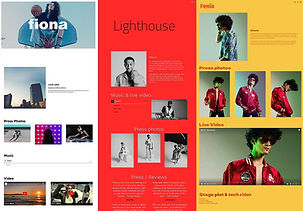
Figure 3. Artist Press Kit Development and Media Promotion
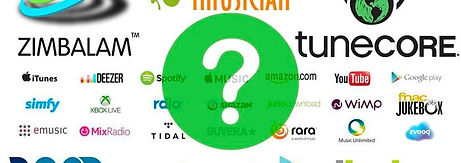
Figure 4. Music Publishing Rights and Intellectual Property Management
Press Kit Development
The press kit project demonstrated the importance of professional communication, artist branding, and media outreach. Creating promotional materials strengthened my ability to develop industry-ready marketing assets for artists and entertainment brands.
Copyright and Rights Management
This research focused on intellectual property protection, publishing rights, and royalty collection. Understanding these concepts is critical for ensuring creators receive proper compensation and maintain ownership of their work within the entertainment industry.
What I Learned from Entertainment Media Publishing and Distribution
Throughout this course, I developed a deeper understanding of how creative content is distributed to audiences through both traditional and digital channels. I learned how publishers, aggregators, distributors, and streaming platforms work together to maximize visibility and revenue opportunities for creators. I also gained practical knowledge regarding copyright protection, intellectual property management, artist promotion, and distribution strategy. These concepts will directly support my future work with independent artists through Kyywayy's Music Hotspot by helping me develop more effective release and marketing plans.

Figure 5. Distribution Platform Comparison
This comparison demonstrates my ability to evaluate music distribution services and identify solutions that align with an artist's goals and budget.

Figure 6. Publishing and Distribution Workflow
This workflow illustrates how creative content moves from creation to consumption. Understanding each stage of the process is essential for entertainment professionals responsible for marketing, distribution, and audience development.
Course Portfolio Highlights
These projects demonstrate the practical application of publishing and distribution concepts, including artist promotion, distribution strategy, professional communication, and intellectual property awareness.

Figure 7. Press Kit
This project involved developing a professional press kit to promote an artist to media outlets, promoters, and industry professionals. The assignment strengthened my understanding of artist branding, publicity, and the importance of professional promotional materials in the music industry.

Figure 8. Query Letter
This assignment focused on creating a professional query letter to introduce creative content to an industry representative. Through this project, I learned how to effectively pitch creative work, communicate professionally, and understand the role agents play in publishing and distribution.
Skills Developed During this Course
-
Music Publishing Fundamentals
-
Distribution Strategy
-
Artist Promotion and Publicity
-
Press Kit Development
-
Intellectual Property Awareness
-
Aggregator Evaluation
-
Rights Management
-
Professional Communication
-
Industry Research
-
Digital Content Distribution
Applying These Skills Professionally
The knowledge gained in this course will support my long-term goal of expanding Kyywayy's Music Hotspot into a music marketing and artist development company. By understanding publishing, distribution, promotion, and rights management, I will be better equipped to help independent artists increase visibility, protect their creative works, and build sustainable careers in the entertainment industry.